
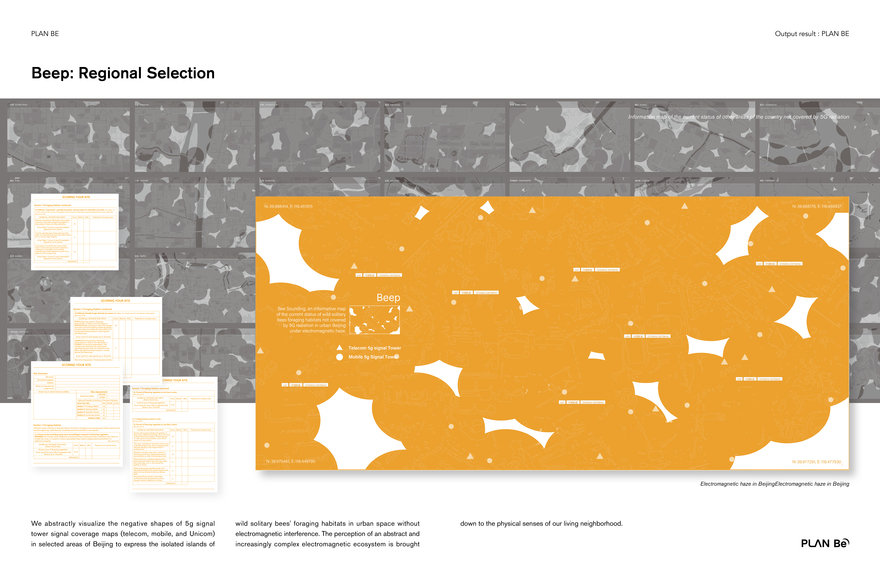
The magnetic fields created by millions of RF transmitters in urban environments interfere with the signal perception of foraging habitats by urban solitary bees, thus also affecting pollination services between plants and pollinat
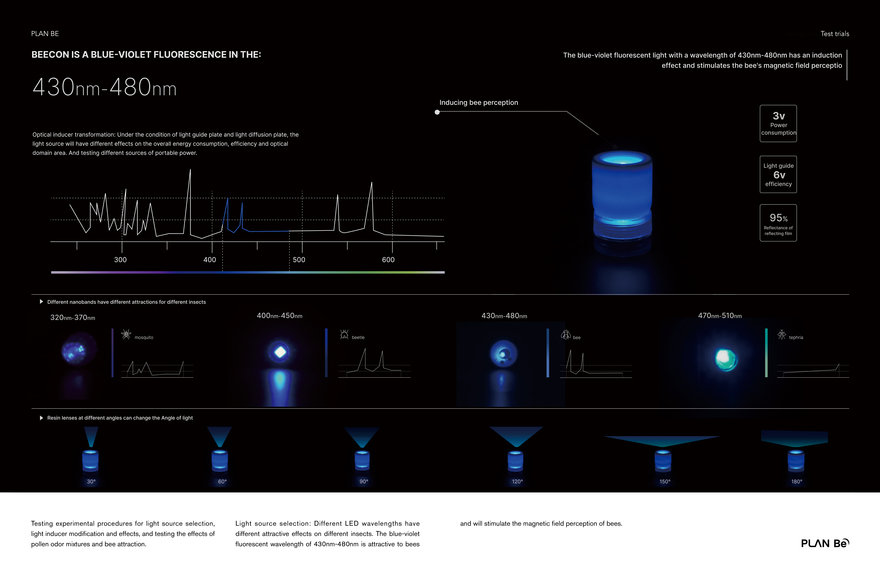
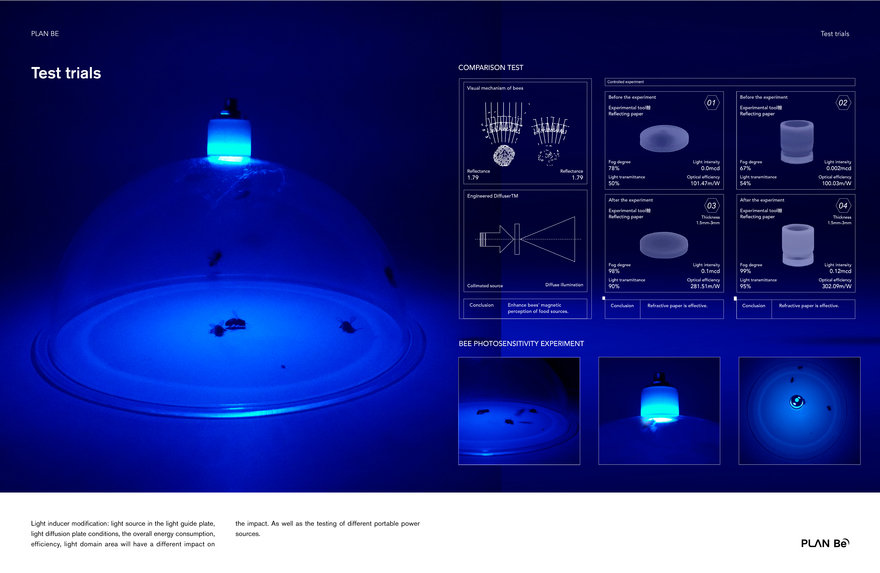
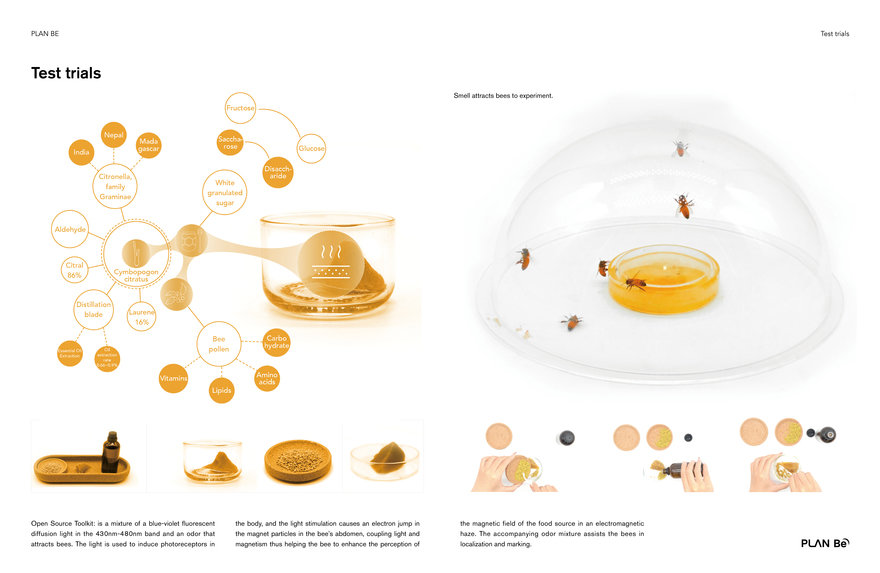
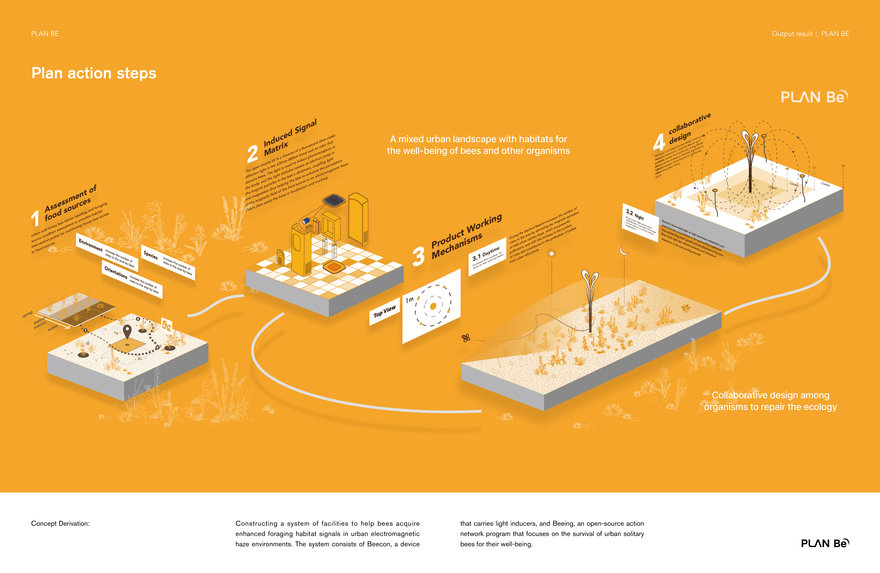
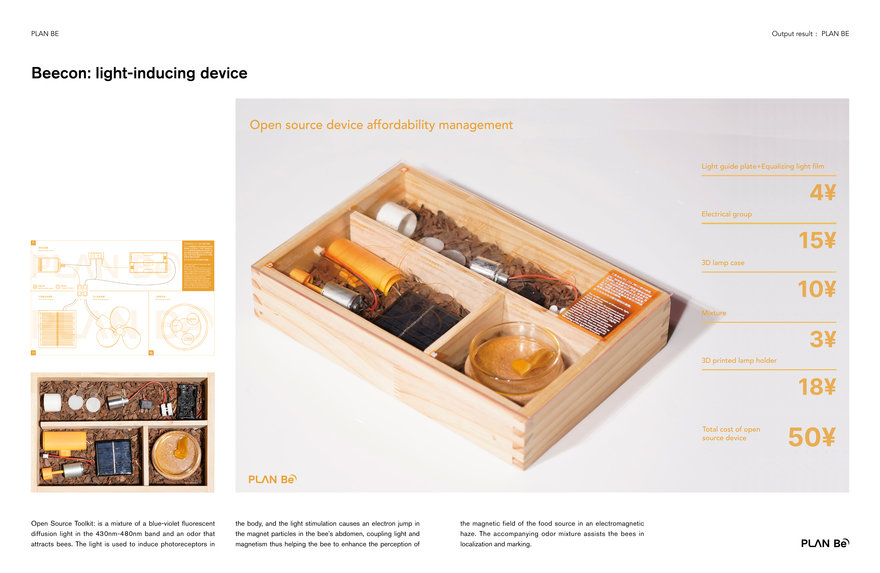
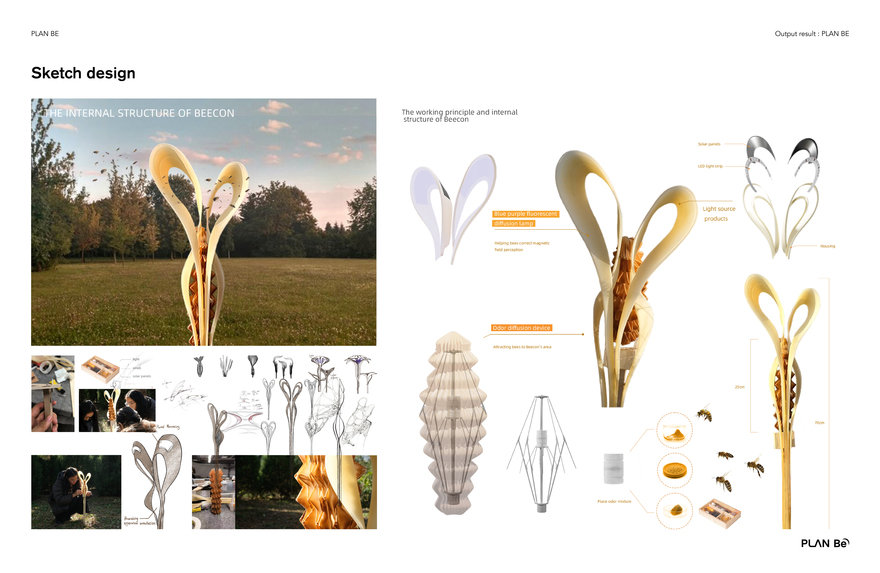
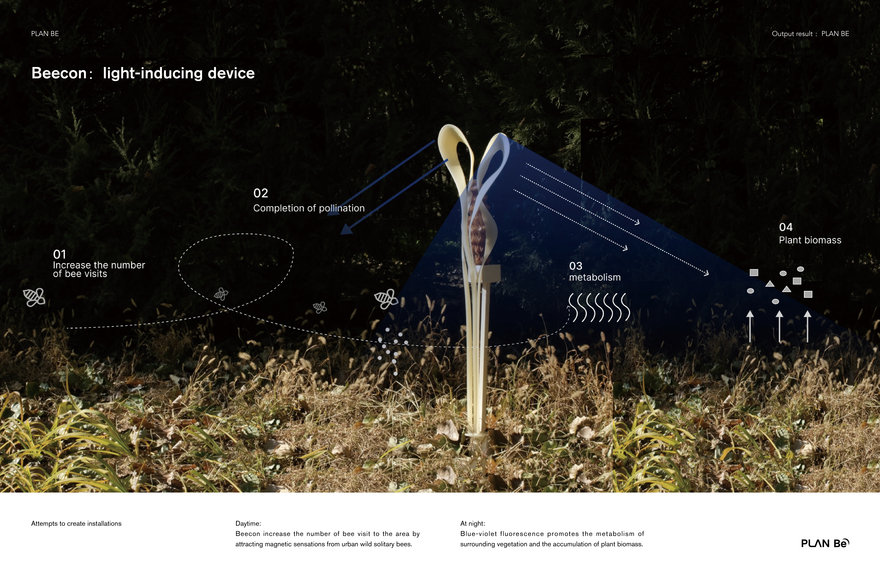
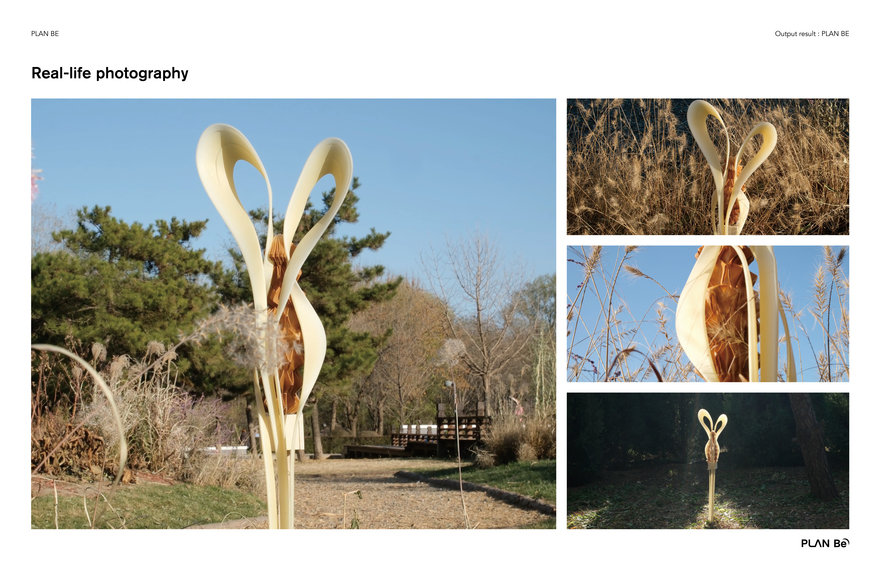
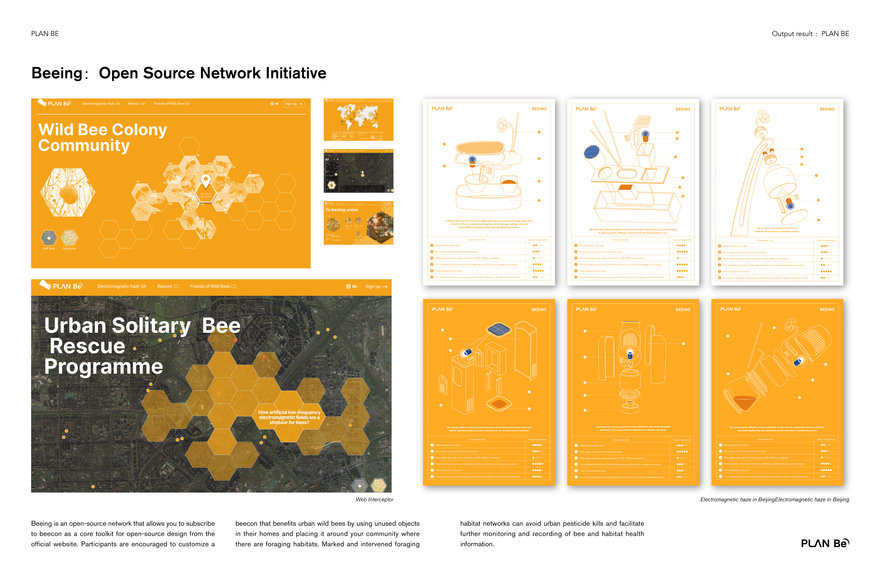
Electromagnetic pollution has been an important topic of research on the effects of living organisms. Electromagnetic fields (EMFs) generated by various natural and man-made sources (e.g., technological equipment) have been shown to have multiple chemical effects on biological systems. In particular, pollution from very low frequency and radiofrequency EMFs adversely affects the cognitive, locomotor, pollination, and homing abilities of honey bees, highlighting the potential harmful effects of EM pollution on pollinator species. There is growing evidence that pollinator populations are declining due to widespread environmental degradation. This has raised concerns that the global pollination crisis could threaten the human food supply. Although the human food supply is not currently directly affected by the global pollination crisis, the expansion of agriculture and the decline of pollinators could accelerate the impact on crop yields through a positive feedback mechanism, leading to habitat destruction and increased homogenization, and thus accelerating the dramatic loss of biodiversity. With the proliferation of technologies such as the Internet of Things (IoT) and 5G, millions of RF transmitters with higher frequencies, larger bio-destructive pulses, and more dangerous signal signatures are distributed in urban environments, and the magnetic fields they create interfere with signal perception of foraging habitats by urban solitary bees, thereby affecting plant-pollinator interactions and pollination services. Plan-Be is a system of facilities to help bees acquire enhanced foraging habitat signals in urban electromagnetic haze environments. The system consists of Beecon, a light guide device, and Beeing, an open-source action network for the survival of urban solitary bees. Light-inducing device: Beecon It consists of a blue-violet fluorescent diffusion lamp in the 430nm-480nm band and a mixture of odors that attracts bees. The light is used to induce photoreceptors in the bee, and the light stimulus causes an electron jump in the magnet particles on the bee's abdomen, coupling light and magnetism to help the bee enhance its ability to sense the magnetic field of the food source in an electromagnetic haze. The accompanying odor mixture then aids the bee in localization and marking. Daytime: Beecon increases the number of bee visits to the area by attracting the magnetic sensation of wild urban solitary bees, which are powerful pollinators, and with this increased number of visits also contribute to pollination of other wild plant pollen. Nighttime: Beecon's blue-violet fluorescence stimulates the metabolism and biomass of the surrounding vegetation, which in turn accelerates the growth and development of plants in the area. The blue-violet fluorescence also attracts other insects in the vicinity, contributing to the diversity and abundance of vegetation in the area. Beeing is an open-source network that allows you to subscribe to beecon as the core toolkit of the open-source design from the official website. Being open source means managing the learning costs and affordability of the devices, as well as preserving the DIY extensibility of the devices into the collaborative network. Participants are encouraged to customize a beecon that benefits urban wild bees by using unused objects in their homes and placing it in places around your community where there is foraging habitat. Marked and intervened foraging habitat networks can avoid urban pesticide kills and facilitate further monitoring and recording of bee and habitat health information. The pollination crisis in the electromagnetic haze is a global event, and we hope that beecon, as an action in response to environmental change, will elicit an understanding of the tools and solutions from the audience. 免责申明:本文中部分图文内容转载自Designawards,相关版权归原作者及出处所有。若涉及post plant侵权,请及时联系我们,我们将第一时间删除处理。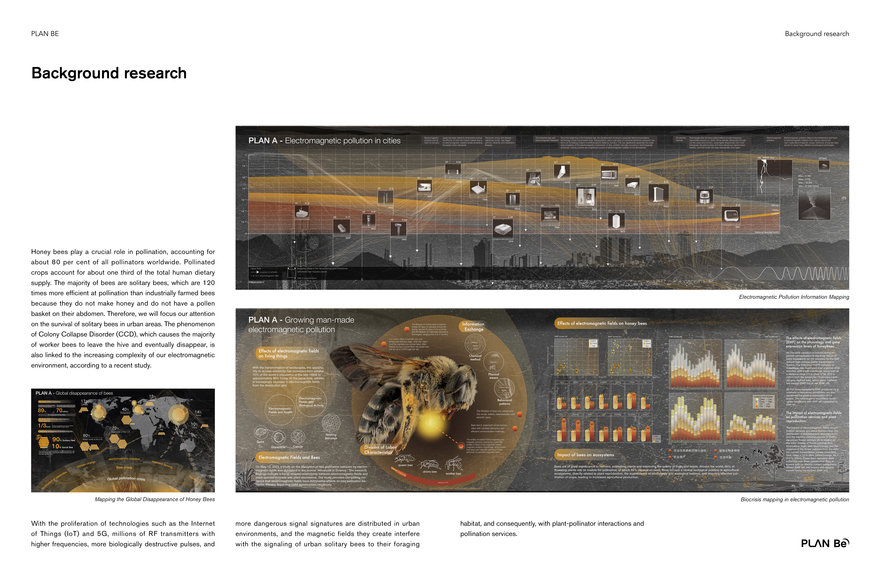
Part I: Background
Part II: System Components
Open Source Network: Beeing