
Alzheimer's disease affects 5 million people in the United States alone, yet there are very few products designed to help patients and caregivers address the complex problems the disease creates. This photo display shelf aims to prevent Alzheimer’s patients from wandering out of their house by disguising the front door and distracting them with happy memories of their life.
Made entirely of paper and using the simple mechanism of a folding pop-up card, this product aims to solve one of the biggest problems for Alzheimer's patients at a very low price point. A caregiver installs the product on the back of the door just above the handle. When closed, the shelf lays flat and blends into the door. The shelves then fold down to reveal three-dimensional picture frames and cover the door handle. This project aims to alter a dangerous behavior and turn it into a moment of joy.
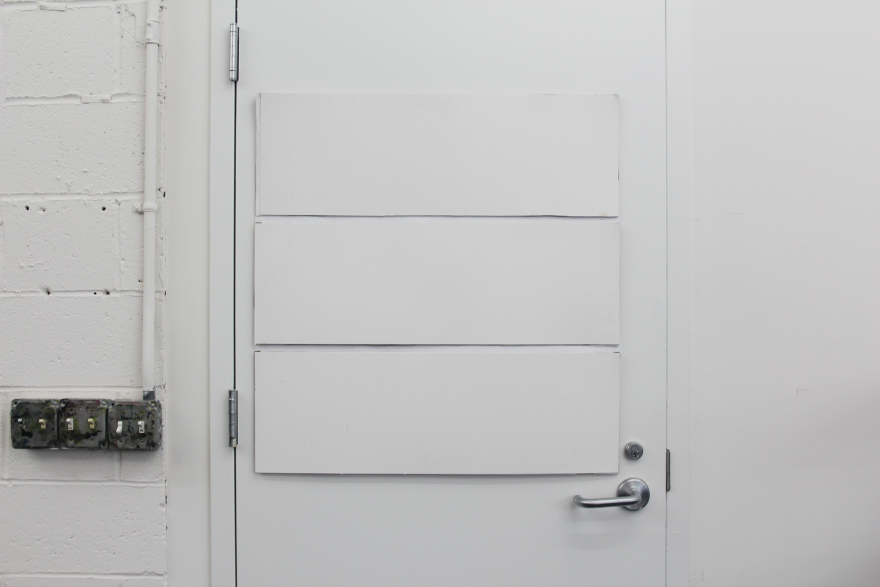
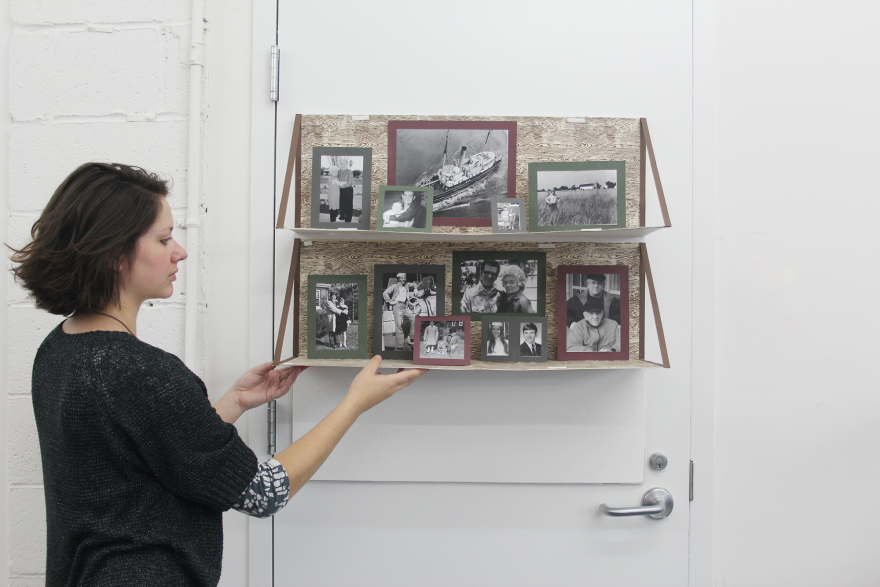
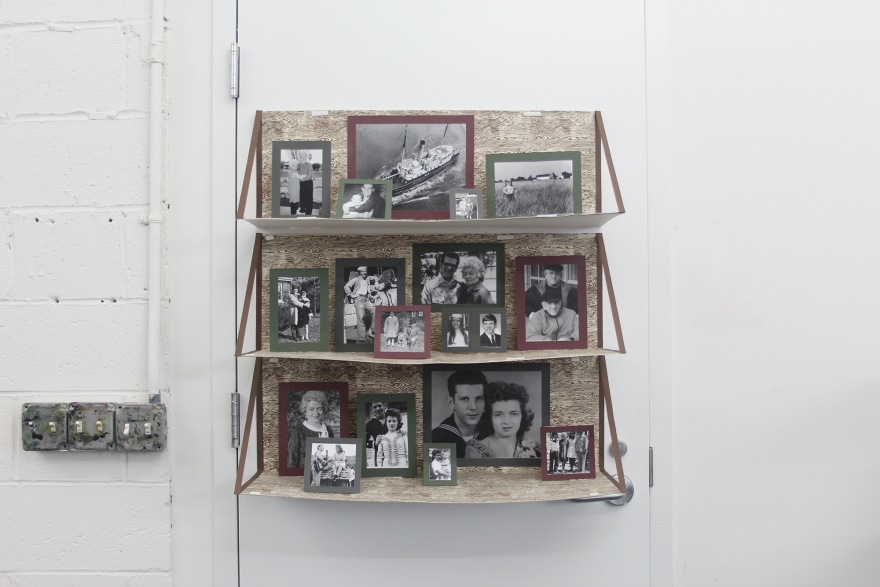
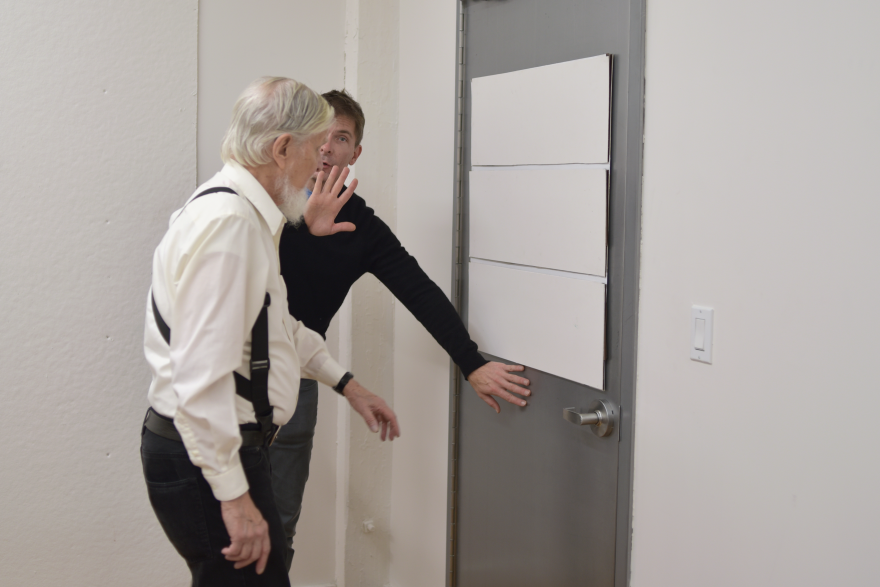
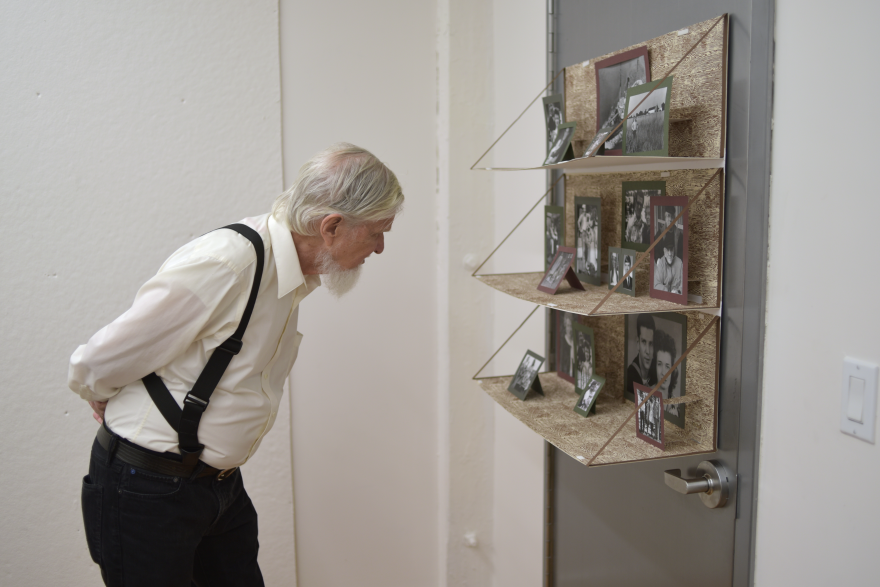
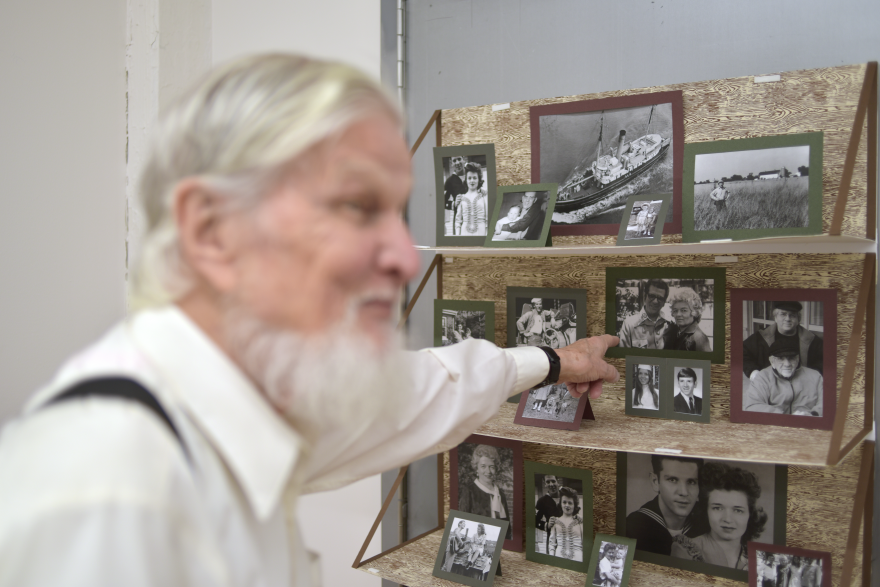
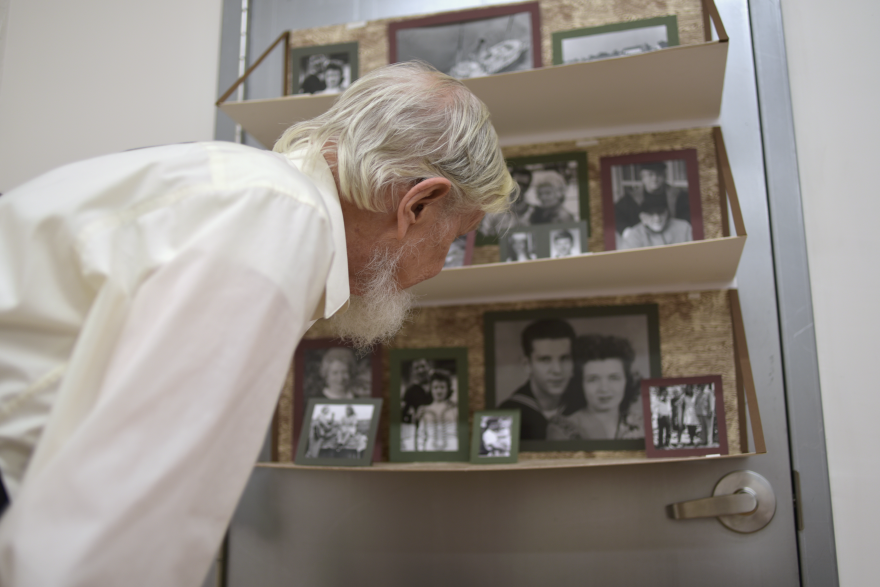
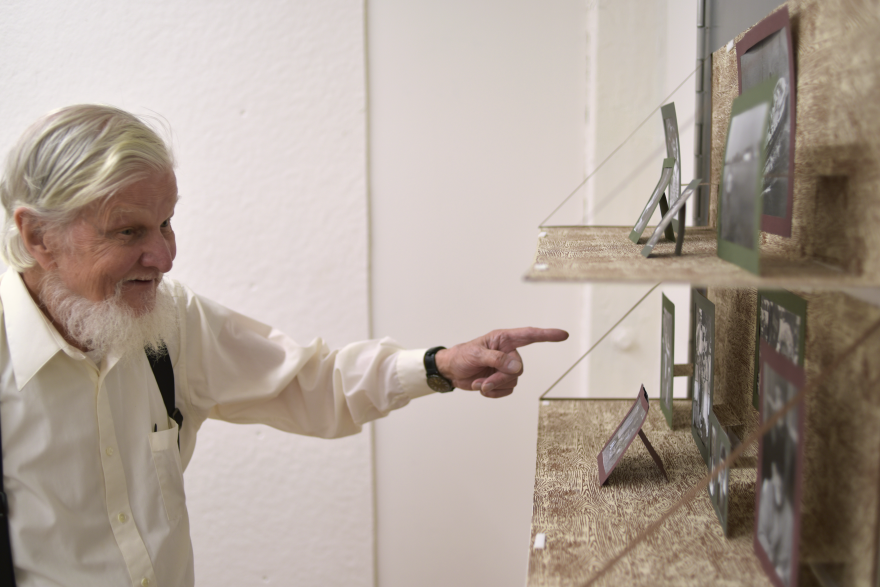
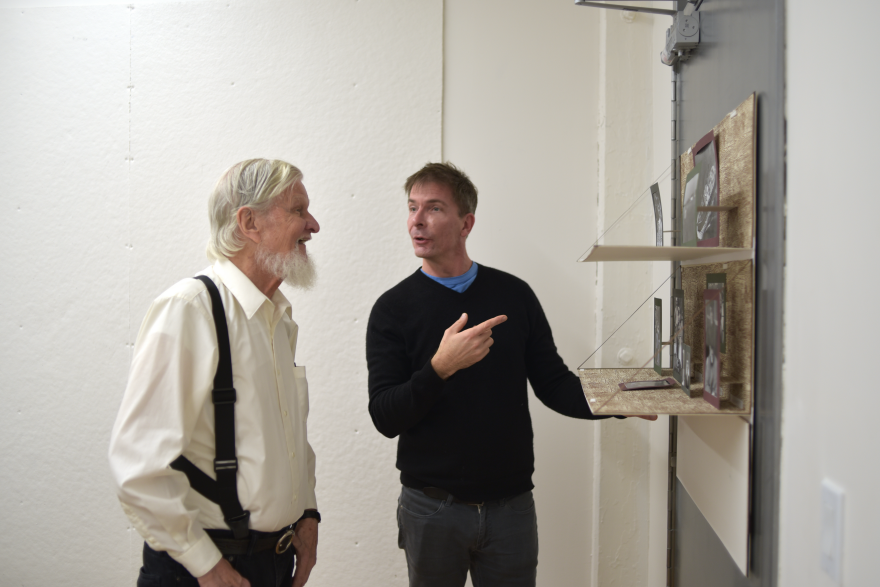
This product is designed for people with moderate or severe Alzheimer's disease, when the damage to the brain is extensive enough that the person loses control of reasoning and sensory processing, and impulsive behavior takes hold. Wandering behavior – or the urge to leave the room or house – is a dangerous issue for Alzheimer’s patients that is very difficult for the caregiver to anticipate and control. It is also illegal to lock people in their homes, no matter what their mental condition is. Therefore, I undertook the task of designing a distraction – not a barrier – to prevent people from leaving. When not in use the shelf folds flat again, allowing the door to be opened and closed without distraction. During the design process, I consulted with experts at CaringKind, a non-profit organization that provides resources and education about Alzheimer’s, and met with caregivers to learn about their experiences with wandering behavior and get feedback on my design. A person with Alzheimer’s believes that the world in their mind is the real one, and therefore it is nearly impossible to “reason” with them and verbally convince them that they are misunderstanding something. I have learned through my research that the best way to address negative behaviors is not to argue, but rather provide a new solution or distraction until the person forgets what they wanted to do in the first place. This simple picture display system conceals the front door while redirecting the patient from thoughts of why they wanted to leave, to pleasant pictures of family or hobbies. Keeping the end user in mind, the paper design can be flat-packed for shipping, is lightweight and easy to install, and can be customized with personal photos that slip into the paper frames. Because this product is for late-stage Alzheimer's patients who will be unable to set it up themselves, the family member or caretaker will choose the photos, evoking fond memories and deepening their connection to the patient. Because the challenges of Alzheimer’s disease are complex and variable with every person, the photo shelf is designed to be adaptable, movable, and even expendable. With an estimated retail cost of $30, the shelf is accessible to people from all income levels to try out and see if the solution will work for their personal situation.
免责申明:本文中部分图文内容转载自Designawards,相关版权归原作者及出处所有。若涉及post plant侵权,请及时联系我们,我们将第一时间删除处理。